
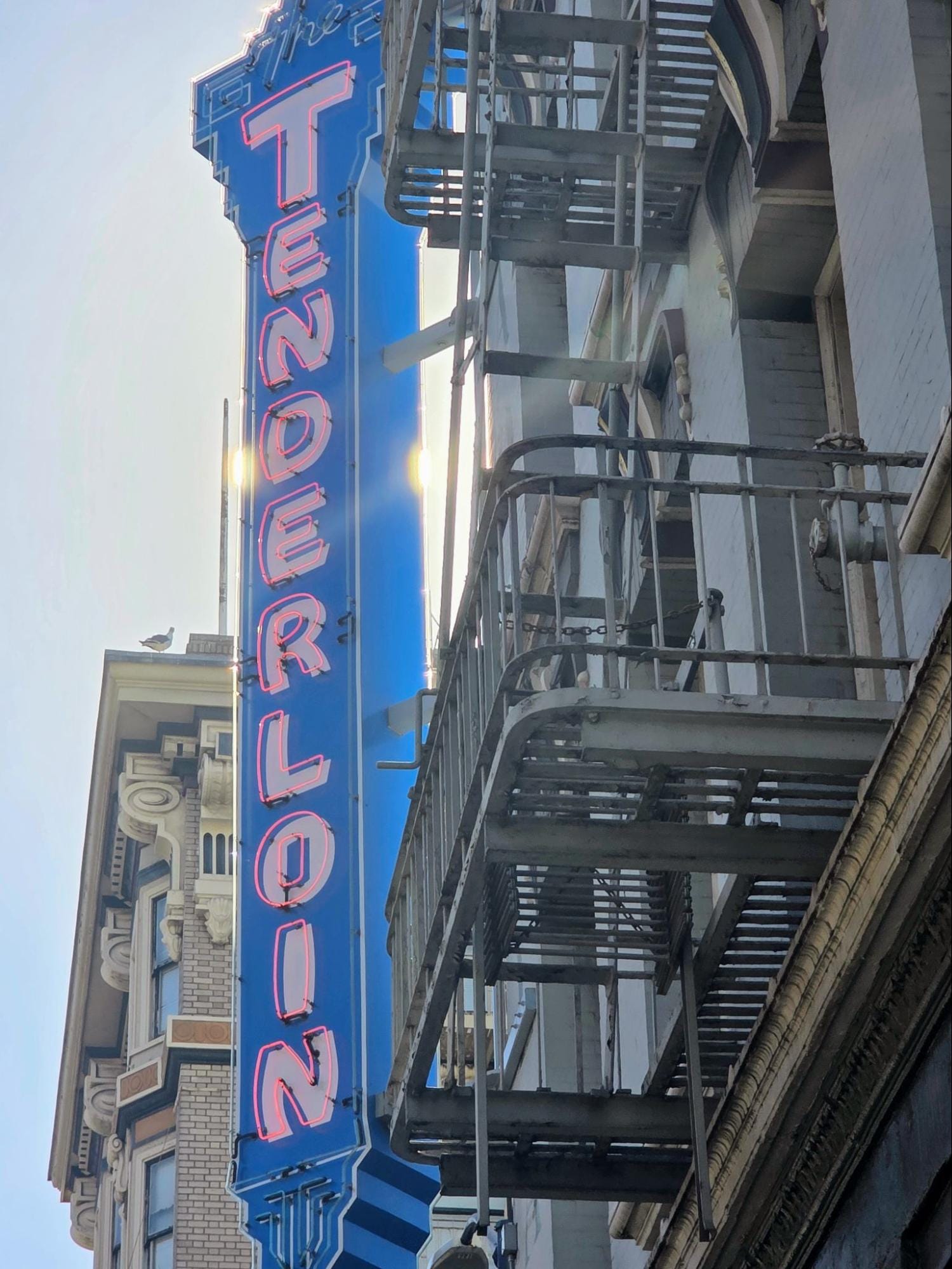
Demonizing the Tenderloin is nothing new. It needs to stop.
The Tenderloin is full of life. It is not a bleak hellscape. A recent video game made my community the backdrop to dehumanizing violence. This depiction could not be farther from reality.
The Tenderloin is full of life. It is not a bleak hellscape. A recent video game made my community the backdrop to dehumanizing violence. This depiction could not be farther from reality.

A revamped mural at 826 Valencia Tenderloin Center features student poetry.

On the steps of City Hall, staff and supporters of the organization’s Sixth Street Self-Help Center rallied around finding it a new home nearby, and told stories of its positive impacts.

The Tenderloin is full of life. It is not a bleak hellscape. A recent video game made my community the backdrop to dehumanizing violence. This depiction could not be farther from reality.

There is a profound distance between the Tenderloin that about 32,000 residents and myself call home and the caricature of our neighborhood that is presented to the world.
Sadly, there is nothing new about this denigration and dehumanization. It recently reached a new and grotesque low with the release of a web-based video game called “Tenderloin: Night Shift.” This digital monstrosity transformed our community into the backdrop for what was billed as a first-person zombie shooter. That description was misleading because, rather than annihilate undead monsters, the game required the player to shoot slow-walking, apparently intoxicated, mostly dark-skinned normal and non-threatening residents. I tested the game, and when I permitted a neighbor to approach me it triggered an immediate loss and abruptly ended the session. What an awful message.
Following widespread backlash, the game’s creator has taken it down. Unfortunately, however, this game was merely a symptom of a much larger and more insidious disease that continues to afflict the Tenderloin: People with power and influence relentlessly exploit and demonize our neighborhood.
I have lived in the TL for over two decades and deeply appreciate it for so many reasons. I would not live anywhere else even though I’ve had the opportunity. And that’s not just in spite of the area’s challenges; it’s because many of the stories told about my neighborhood are just not true.
For many years, the national and international press have written disparagingly about my neighborhood, over-emphasizing its flaws in their sensationalist narratives. All too often, we see the cameras roll in to solely capture images of homelessness and drug use — stripping individuals of their dignity.
Influencers and people looking to become them, political leaders, and especially right-wing groups weaponize those depictions to serve their own goals. They point their fingers at our streets, claiming that the suffering of our most vulnerable neighbors is the result of failed Democratic policies. For instance, during Florida Gov. Ron DeSantis’ recent presidential run, he used San Francisco’s street conditions to argue that our state’s policies were problematic, possibly in an effort to disrupt California Gov. Gavin Newsom’s presumed bid for the country’s highest office. These false narratives can have consequences, especially when other politicians adopt them. For instance, President Trump has proposed removing vagrants to clear the streets, as well as sending National Guard troops to San Francisco to crack down on crime.
These politicians and commentators do not care about our fellow unhoused neighbors, or about our streets. They punch down on us to score political points. I doubt many have even visited the Tenderloin.
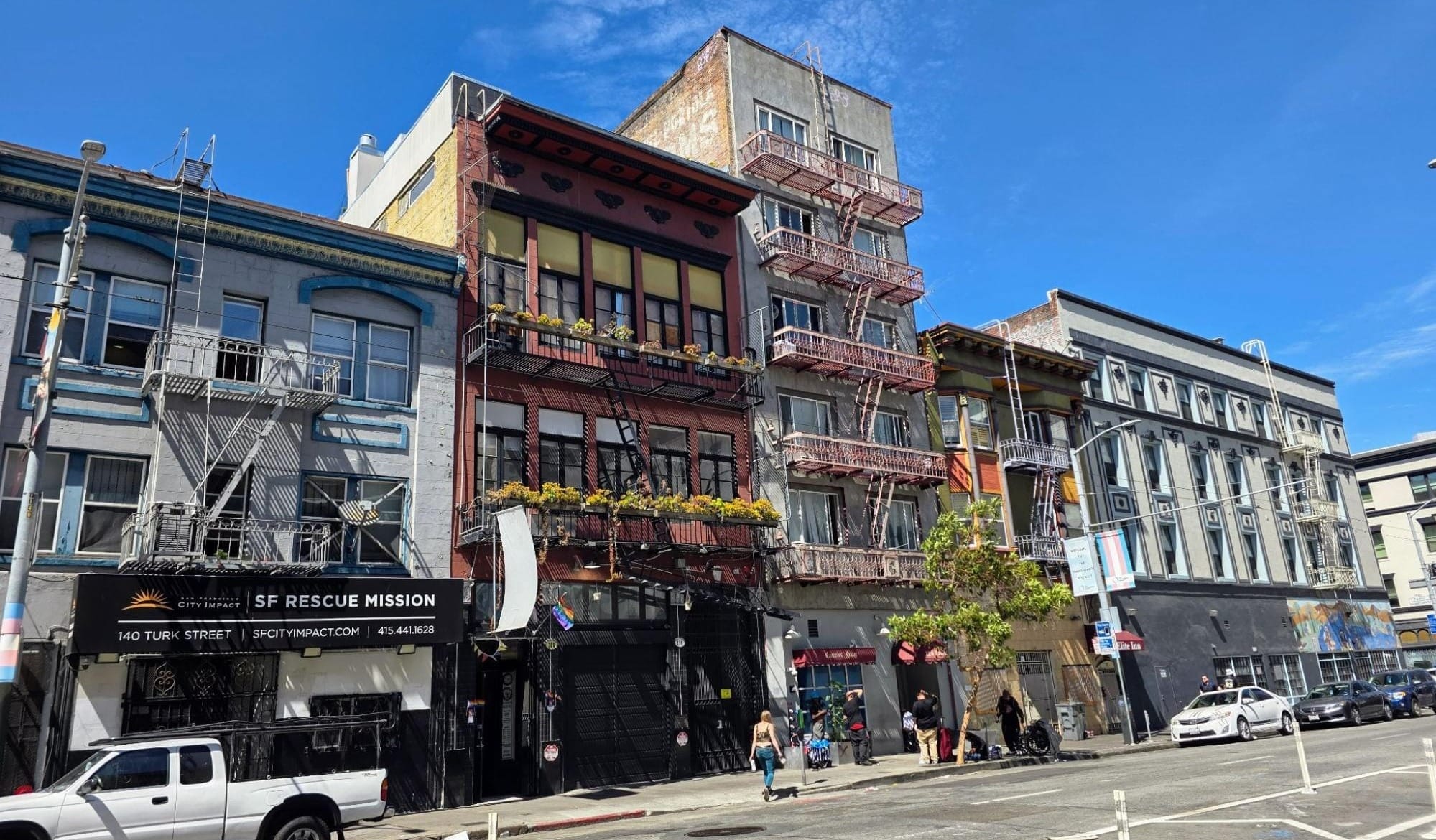
What they conveniently omit from their grandstanding is the grim economic reality driving these crises. San Francisco boasts some of the highest housing prices in the entire country, a staggering barrier that has forced increasing numbers from their homes to our streets. Those people end up in the Tenderloin, in part because the social services that they fall back on are located here. The recent explosive rise of the artificial intelligence industry has only further exacerbated housing prices. OpenAI, Anthropic, and other major companies are based in and near San Francisco, and pay astronomical salaries. Landlords are raising their rents to cash in.
In other words, the visible suffering of the unhoused in the Tenderloin is the tragic, foreseeable fallout of extreme economic inequality and a regional housing market that invites extreme wealth.
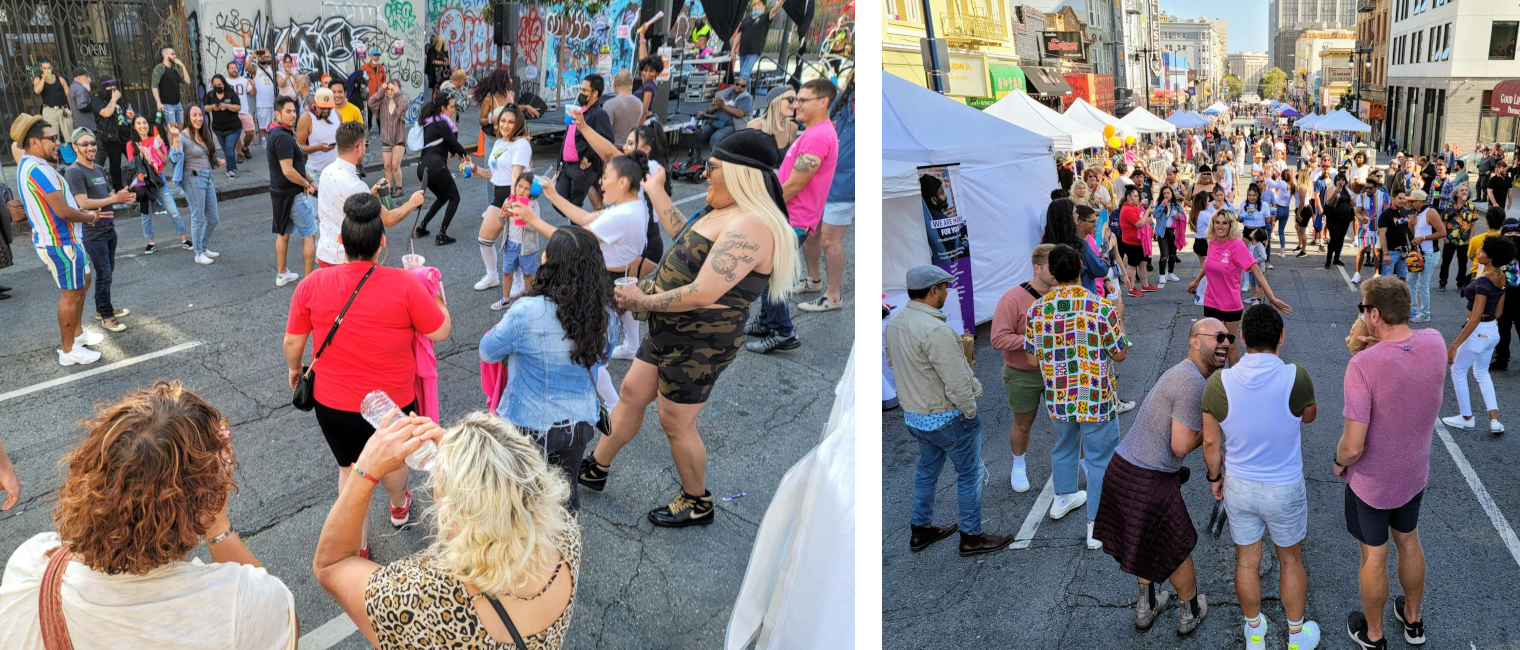
But the Tenderloin is so much more than its systemic problems, or the false, distracting narratives about them. Our detractors are attempting to minimize and frankly erase our neighborhood’s identity, with its historic architecture, art, cultural diversity and many compassionate organizations.
Like what you see here? Consider supporting it.
The Tenderloin Voice stays close to this community, fielding requests for stories and helping (and paying) locals to write their own — like this story, or this one, or this one. Your support will keep us going.
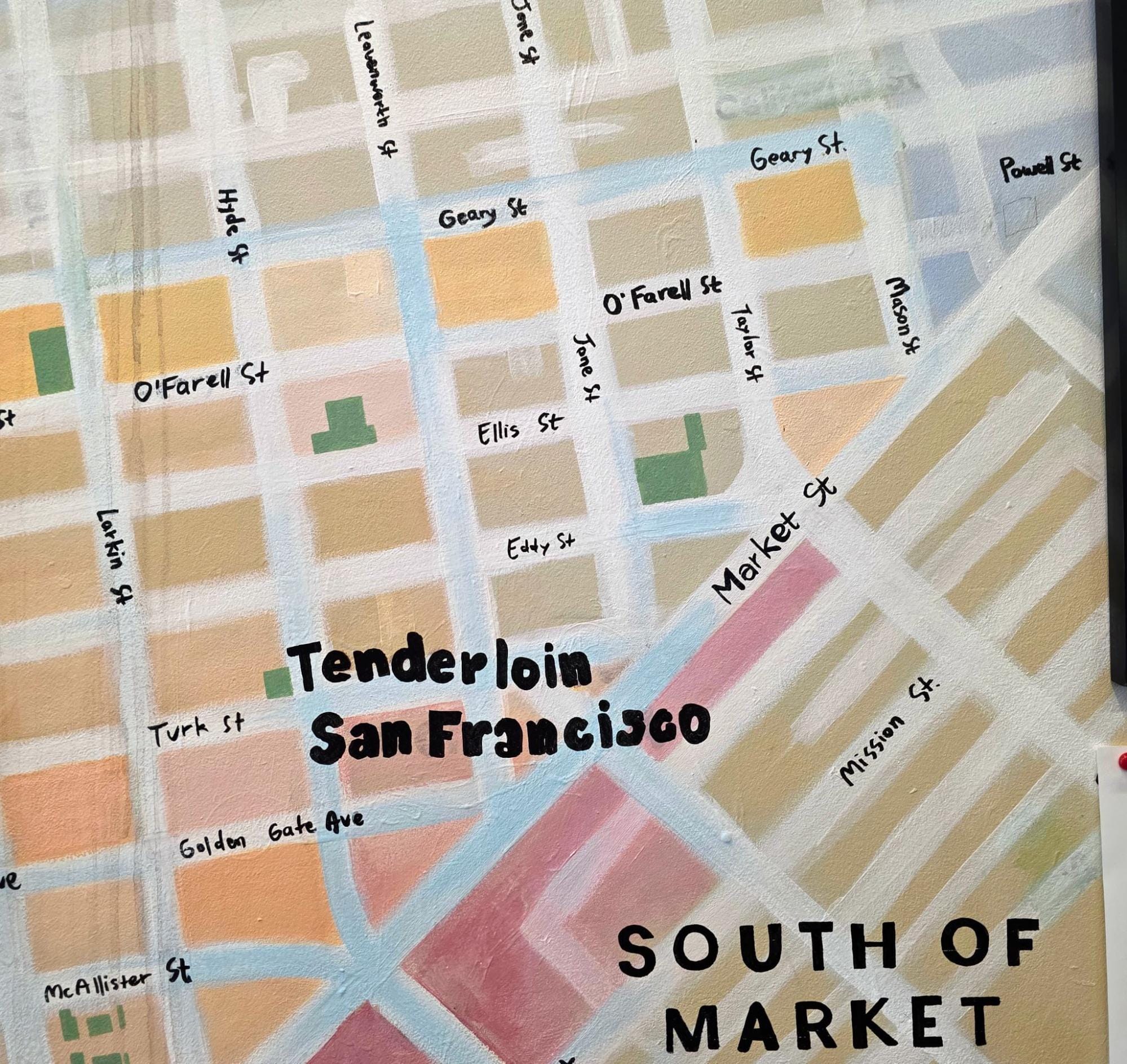
The real Tenderloin is bursting with life, culturally rich, and defined by a fierce sense of community. Our 49 square blocks hold the highest concentration of families with children in SF. We are also a tapestry of vibrant subcommunities, where a dozen spoken languages echo on the sidewalks every day. We are a landing pad for immigrants and a sanctuary for working-class families.
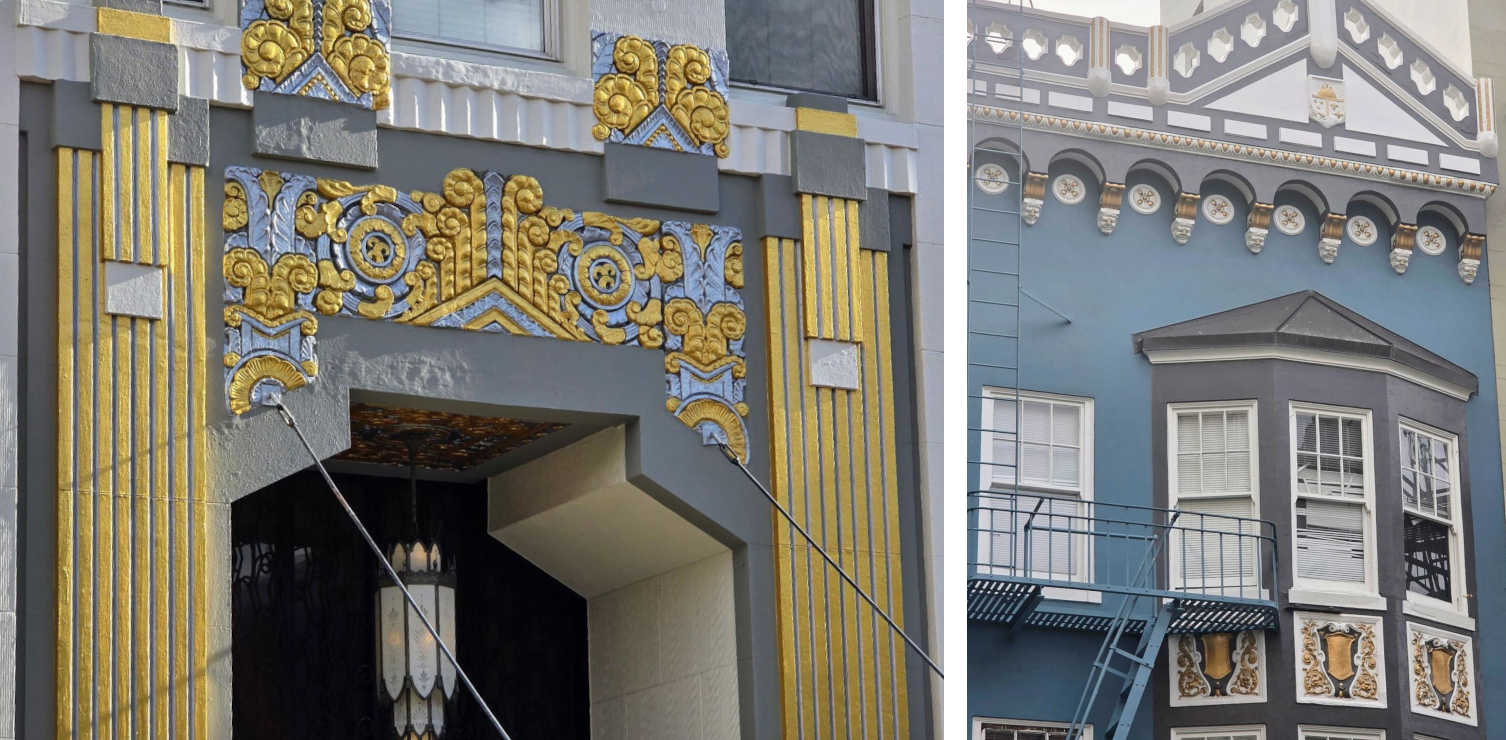
Our neighborhood is also a thriving hub for creative expression and the arts. Performing arts groups like Skywatchers and CounterPulse do not just operate in the Tenderloin, they collaborate with it, drawing on the lived experiences of our residents to create profound, transformative theater. This creativity thrives against a backdrop of stunning, ornate architecture, monuments to early twentieth-century San Francisco. Those buildings aren’t there by chance. We have fought to preserve and repurpose them for the public good.
The Tenderloin has long been one of the city’s premier destinations for affordable and delicious ethnic cuisine. Our streets offer authentic culinary experiences from a variety of countries, feeding both locals and visitors alike. Whether you are craving a late-night bite or a hearty meal, our neighborhood delivers unparalleled flavor and true warmth. We also enjoy a vibrant local farmers’ market that brings fresh, affordable produce directly to our families and serves as a twice-a-week gathering space. We are one of the more affordable places to live, which is also centrally located in the city, benefitting from public transit aplenty, and a stone’s throw from the downtown Financial District, City Hall, and Market Street.
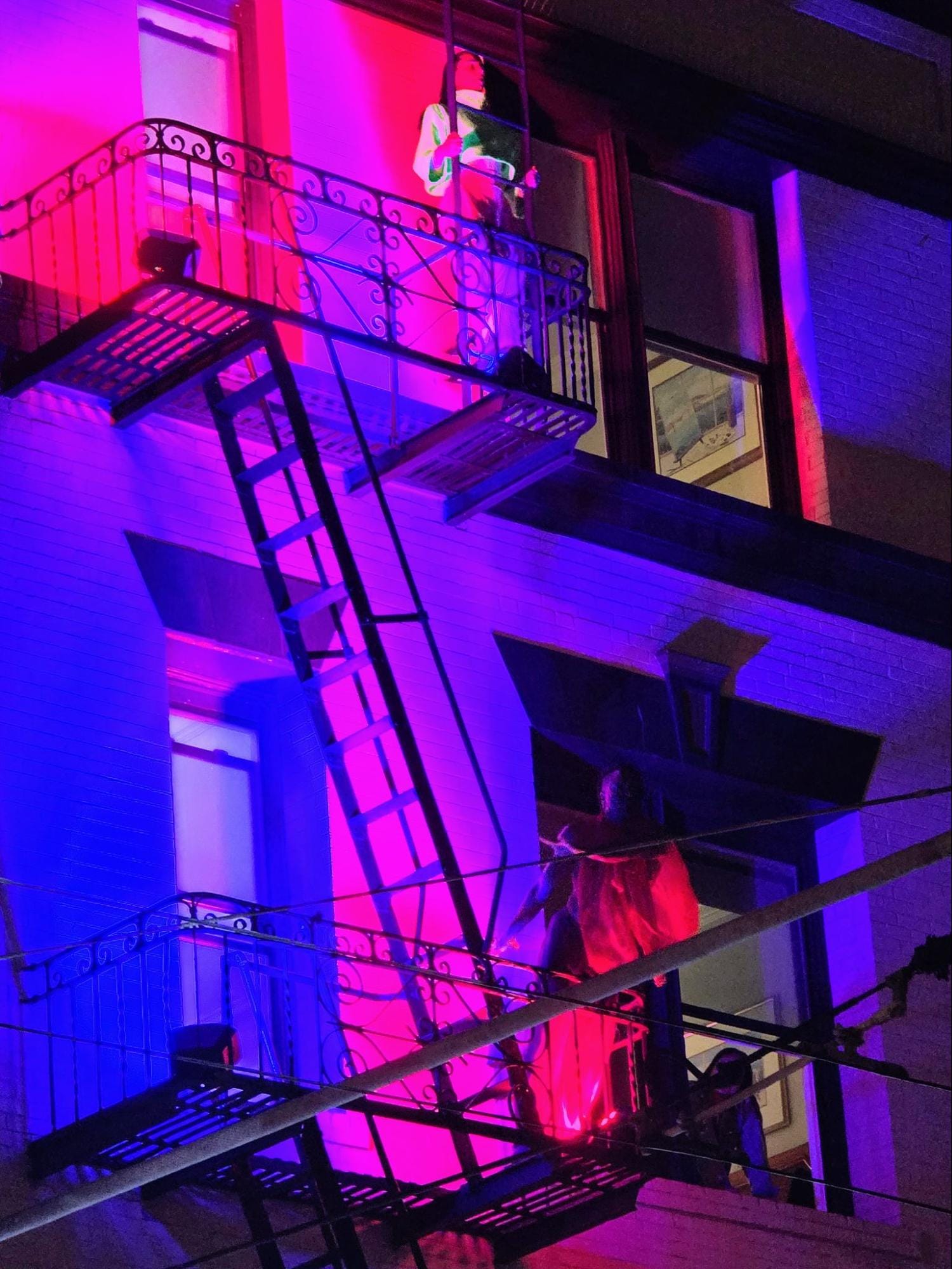
Most importantly, our detractors ignore the fierce love we have for our home. When challenges arise, my neighbors do not retreat, they come together. We have formed robust block groups like the O’Farrell Neighbors Group and neighborhood associations like our Tenderloin People’s Congress to advocate for, protect, and uplift each other. Our community meetings and neighborhood events consistently draw large turnouts and the attention of our city’s district supervisor. We actively participate in shaping our future because we believe in the intrinsic value of the Tenderloin. These voluntary grassroots groups demonstrate that our neighborhood actively cares for its own.
We are so much more than that which pains us.
It is past due time to stop these dehumanizing, false representations. The Tenderloin is not the fitting setting for a dystopian, twisted video game, nor is it a prop for politicians. It is my home that I love and truly appreciate.
As a community, we have demands, demands that are fair. We demand that those who wield power or influence stop exploiting our struggles. We strongly ask that they start recognizing our strength and our right to be treated with the same dignity every community deserves.

On the steps of City Hall, staff and supporters of the organization’s Sixth Street Self-Help Center rallied around finding it a new home nearby, and told stories of its positive impacts.

Awards went to residents, businesses, and even pets. Special activities are happening through Sunday.


The city is conducting a needs assessment to help inform programming and budget decisions.


The popular program pays musicians to play for the public, including in the Tenderloin. Interested artists can apply until Oct. 1.

Stay tapped into the Tenderloin: Our email newsletter sends every article to your inbox. Unsubscribe anytime.