
Hospitality House is continuing the fight to stay in SoMa
On the steps of City Hall, staff and supporters of the organization’s Sixth Street Self-Help Center rallied around finding it a new home nearby, and told stories of its positive impacts.
On the steps of City Hall, staff and supporters of the organization’s Sixth Street Self-Help Center rallied around finding it a new home nearby, and told stories of its positive impacts.

Awards went to residents, businesses, and even pets. Special activities are happening through Sunday.

The city is conducting a needs assessment to help inform programming and budget decisions.

The Bahay Kalinga center will offer a variety of services for people struggling with mental health, poverty, and homelessness.

Lorenzo Listana traces the inspiration for the new resource center at 122 9th St. back to a memory with his daughter years ago. He was walking his 10-year-old to school in SoMa, and they encountered an unhoused woman and her two children. Distressed, they tried to figure out what was going on with the family and if they could help them find a place to go, but the local shelters were full. The interaction stayed with him.
Now the resource center called Bahay Kalinga will give some relief to people struggling on the streets or at risk of homelessness. While it doesn’t offer shelter, it’s designed to keep people from needing one to begin with, and to provide a welcoming place to go for help and brief respite from daily stressors. A project of the Filipino Community Development Corporation — where Listana is founding director — Bahay Kalinga will be shaped by Filipino culture and values. Its name translates to “House of Care.”
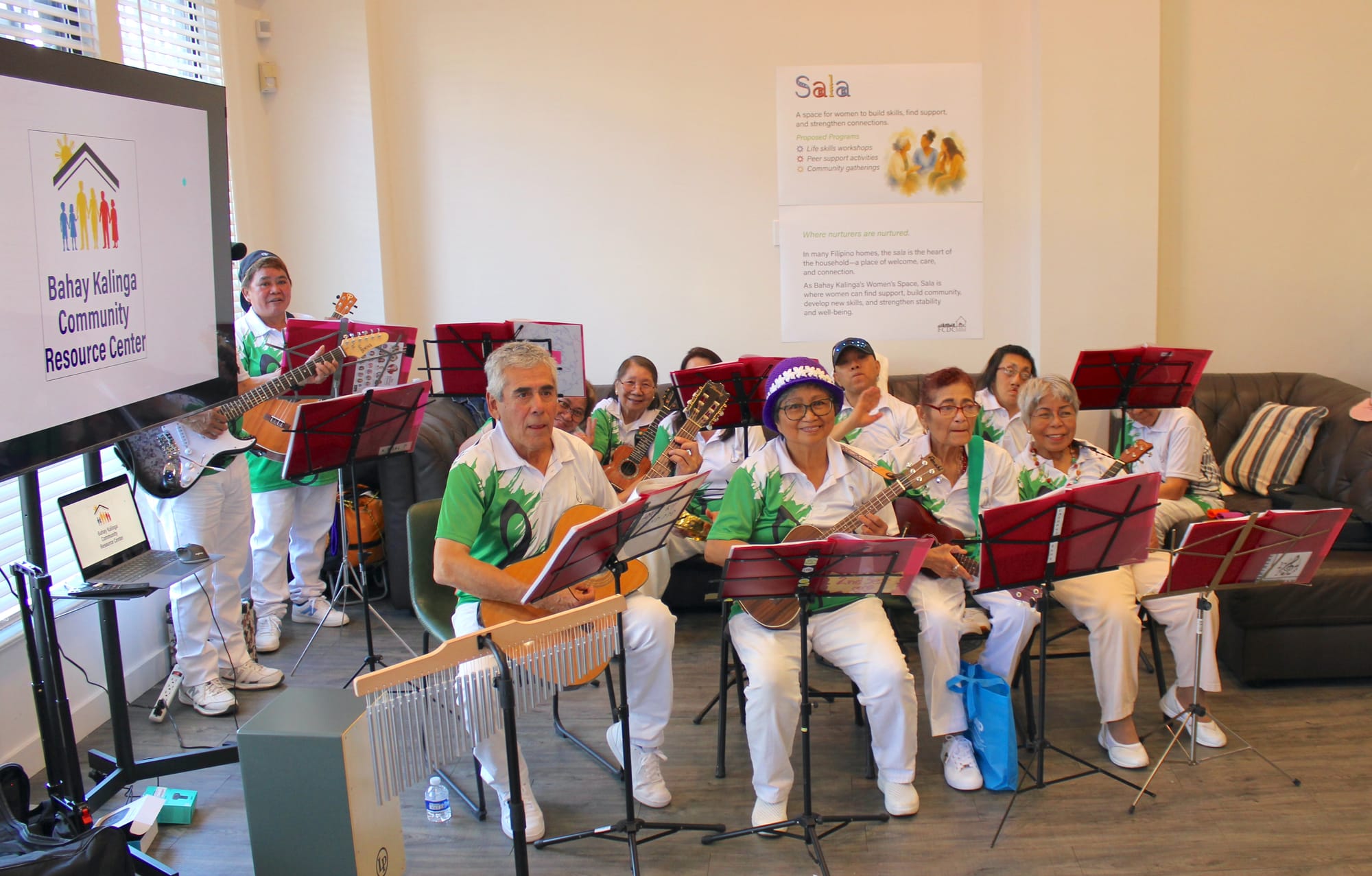
Bahay Kalinga opened in June, and is rolling out its services piece by piece over the rest of the year. It’s starting out by offering case management, helping people access the services that the city has available on paper. Soon, staff will start a hygiene program that will help people get their laundry done, find and pay for a place to shower, get a haircut, and get clean clothes. They’ll eventually also teach basic life and job skills, and offer a quiet place to nap for a few hours. The services will be unavailable to walk-ins; people can get them if referred by someone the staff know, by a partner organization, or by a city official or agency. The referral process will help staff evaluate a potential client’s main problems and if Bahay Kalinga can help solve them.
Listana has deep roots in the area. He lived in the Tenderloin for 12 years, and co-founded the Tenderloin People’s Congress, a resident advocacy group. He now lives in SoMa.
For many who helped launch Bahay Kalinga, homelessness and mental health are issues that have touched their lives.
Jose Pecho, president of the Filipino Community Development Corporation, said his brother struggled with homelessness and mental health. “Sometimes, we don’t see it ’til it hits close to home.”
“As Filipinos, we care in a very particular way. Other cultures care deeply too, but we care in our own way. We care through bayanihan and kapwa,” Pecho added, naming two of the core values of Bahay Kalinga, words meaning “community cooperation” and “shared humanity,” respectively.
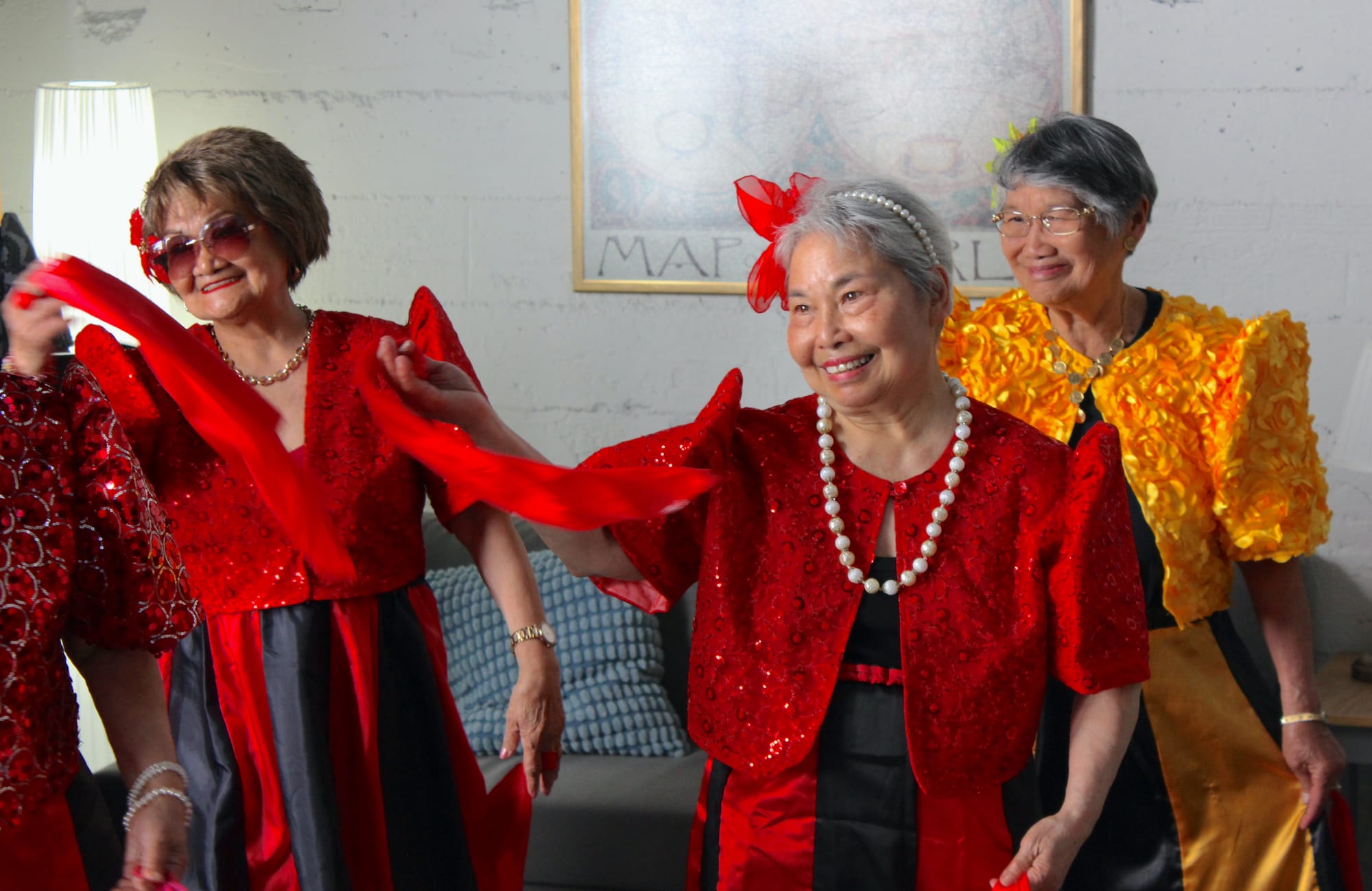
Though the center is open to anyone who gets referred regardless of cultural background, those values mean the multilingual staff take a very one-on-one, familiar approach with clients, Listana said. The laundry program won’t just give out vouchers — a Bahay Kalinga staff member will go with the client to the nearest laundromat, introduce them to the workers there, help them remember how to load a washer and how much detergent to put in, and so on.
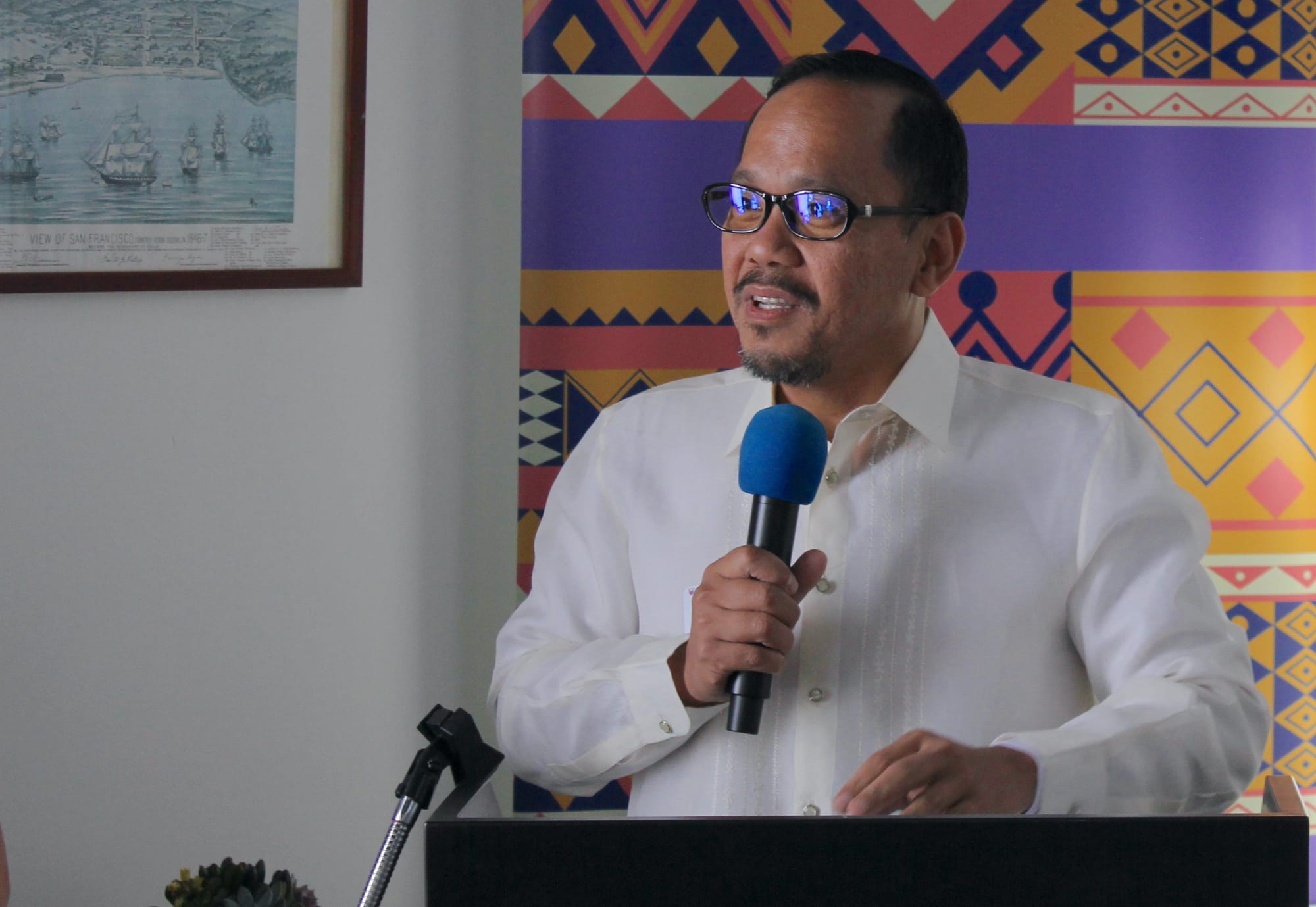
“Even if you're a stranger, you belong here, this is your house,” Listana said.
The center was years in the making. In 2017, more than a dozen people joined forces with Listana to begin planning it.
“Without those 18 founders in 2017, this would not be realized,” he said.
The Tenderloin Voice takes its cues from this community about what matters most and what’s worth covering.
Do you value that work? Consider supporting it. Every dollar helps.
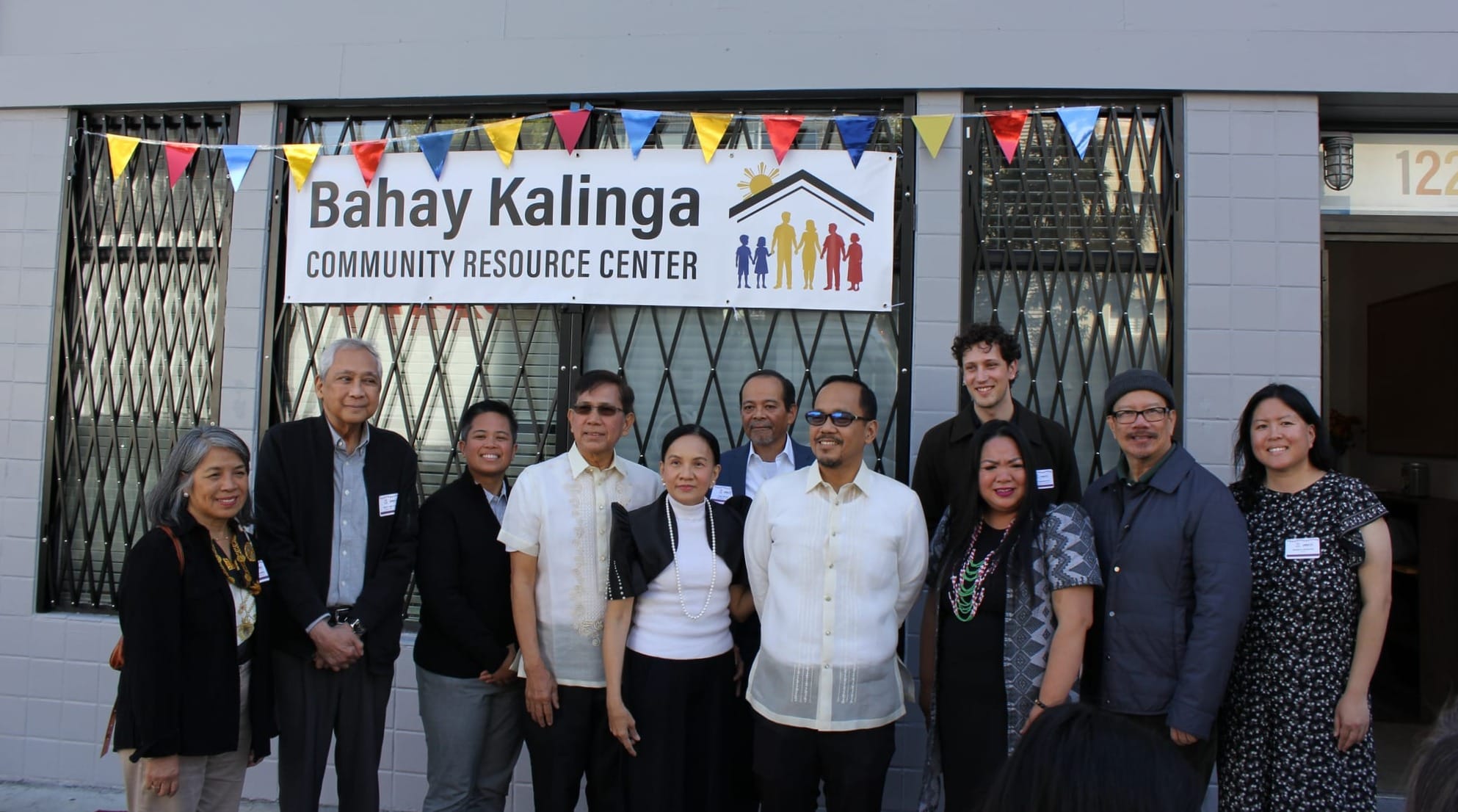
At a recent event celebrating the center’s opening, attendees reflected on how they’d arrived at this moment. Though the funders, partner organizations, and local leaders undoubtedly played pivotal roles in Bahay Kalinga’s creation, several of them made a point of emphasizing Listana’s tenacity in making it a reality despite setbacks. For example, along the way, potential operating sites fell through.
“Many people would just put their tail between their legs and walk away,” said Scott Eschelman with the real estate developer BUILD SF, a partner on the Bahay Kalinga project. “Not Lorenzo.”
Anne Almendral, a board member of the Filipino Community Development Corporation and co-lead on the Bahay Kalinga team, encouraged attendees to share their input about activities the center could offer, programs that would improve it, and fundraising strategies.
She told those with ideas to “call Lorenzo. He will answer.” A sudden giggle went through the crowd — everyone knew how literally accurate her statement was. Almendral doubled down: “Speed dial!” she added with a smile.

On the steps of City Hall, staff and supporters of the organization’s Sixth Street Self-Help Center rallied around finding it a new home nearby, and told stories of its positive impacts.

Awards went to residents, businesses, and even pets. Special activities are happening through Sunday.

The city is conducting a needs assessment to help inform programming and budget decisions.

The popular program pays musicians to play for the public, including in the Tenderloin. Interested artists can apply until Oct. 1.

Stay tapped into the Tenderloin: Our email newsletter sends every article to your inbox. Unsubscribe anytime.